Can Chiropractic Help Neuropathy Symptoms?
Chiropractic care may help some people whose numbness, tingling, burning, or nerve pain has a musculoskeletal or spinal component, but chiropractic adjustments do not cure peripheral neuropathy. Neuropathy can have many causes, including diabetes, nerve injury, autoimmune conditions, certain medications, vitamin deficiencies, and other health problems. The most important first step is determining what is causing the nerve symptoms. Once that is understood, chiropractic care, exercise, acupuncture, and other conservative therapies may sometimes be used as part of a broader treatment plan when appropriate.
“My feet are burning. Is that coming from my back?”
We hear versions of that question regularly at Restore Wellness Center in Melbourne, Florida.
Sometimes a patient describes tingling in the toes. Someone else says the bottoms of the feet feel like they are walking on thick socks even when barefoot. Another person has electric pain shooting into one leg and assumes it is neuropathy.
All three people are experiencing nerve-related symptoms, but they may not have the same problem.
That distinction matters.
What Is Peripheral Neuropathy?
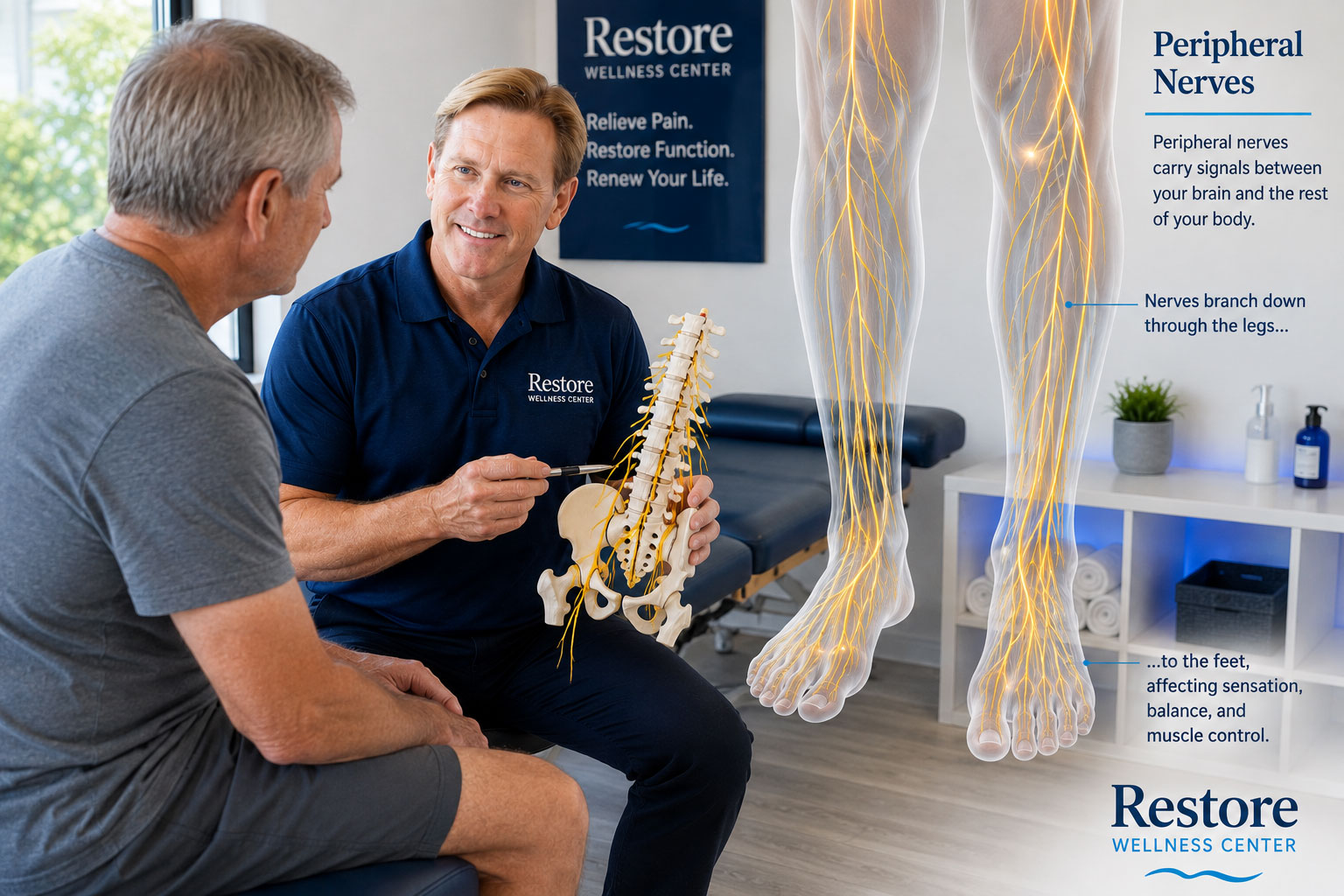
The peripheral nervous system includes the nerves outside the brain and spinal cord. These nerves carry information between the central nervous system and the rest of the body.
Some peripheral nerves carry sensory information, allowing you to feel pressure, pain, temperature, and touch. Others control muscles. Autonomic nerves help control functions such as blood pressure, sweating, digestion, and bladder function.
Peripheral neuropathy occurs when peripheral nerves become damaged or dysfunctional.
Depending on which nerves are affected, symptoms can include:
- Burning pain
- Tingling or pins and needles
- Numbness
- Sharp or electric pain
- Extreme sensitivity to touch
- Reduced ability to feel heat or cold
- Muscle weakness
- Balance problems
- Cramping
- A feeling that socks are bunched up under the feet
Many people first notice peripheral neuropathy in the toes and feet.
That is not an accident.
The longest peripheral nerves reach all the way from the spinal region into the feet. In many forms of neuropathy, these long nerve fibers are among the first to develop noticeable symptoms.
What Causes Neuropathy?
“Neuropathy” does not describe one single disease.
It describes nerve damage or dysfunction that can result from many different conditions.
Common or important causes include:
- Diabetes
- Physical nerve injury
- Autoimmune disorders
- Certain vitamin deficiencies
- Some chemotherapy medications
- Alcohol-related nerve damage
- Kidney disease
- Thyroid disorders
- Certain infections
- Inherited neurologic disorders
- Nerve compression
Sometimes the cause remains unclear even after an appropriate medical evaluation. This is often called idiopathic neuropathy.
This is one reason we do not want someone to assume that burning feet automatically mean the spine is “out of alignment.”
If diabetes is damaging peripheral nerves, for example, managing the underlying metabolic condition is an important part of care. An adjustment cannot replace that.
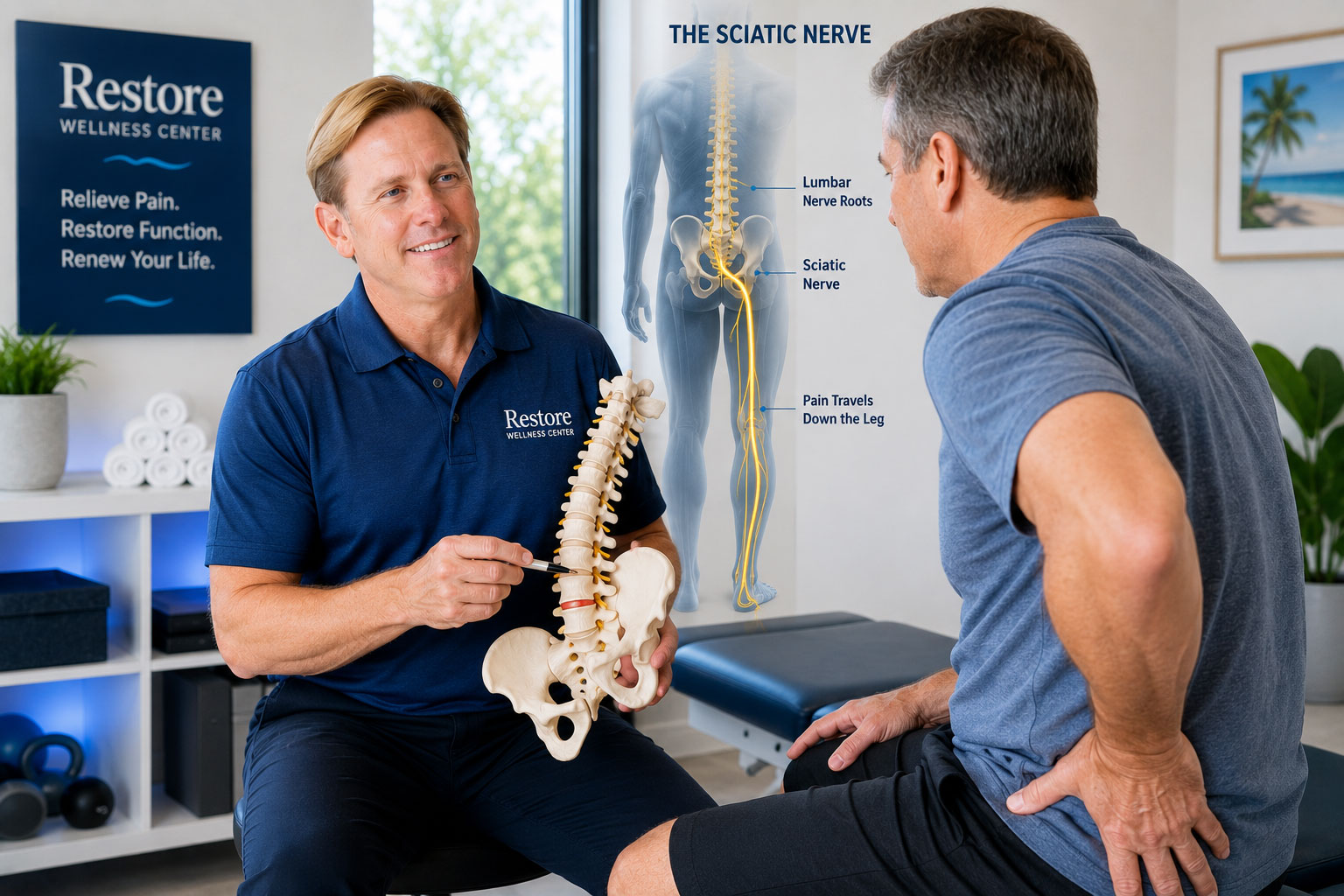
Neuropathy and Sciatica Are Not the Same Thing
This is one of the most useful distinctions for patients to understand.
Sciatica and peripheral neuropathy can both produce burning, tingling, numbness, and pain.
But they usually involve different parts of the nervous system.
| Peripheral Neuropathy | Sciatica or Lumbar Radiculopathy |
|---|---|
| Involves peripheral nerves | Often involves a spinal nerve root |
| Frequently begins in both feet | Frequently affects one leg |
| Can create a stocking-like pattern | May follow a specific nerve-root pattern |
| Often associated with conditions such as diabetes | May be associated with a herniated disc or spinal stenosis |
| May progress gradually | Can sometimes begin suddenly |
| Symptoms may not change much with spinal position | Symptoms may change with sitting, bending, standing, or other spinal movements |
These are general patterns, not rules.
Real patients do not always read the textbook.
A person can even have peripheral neuropathy and a spinal nerve problem at the same time.
So Where Does Chiropractic Care Fit?
This is where we need to be precise.
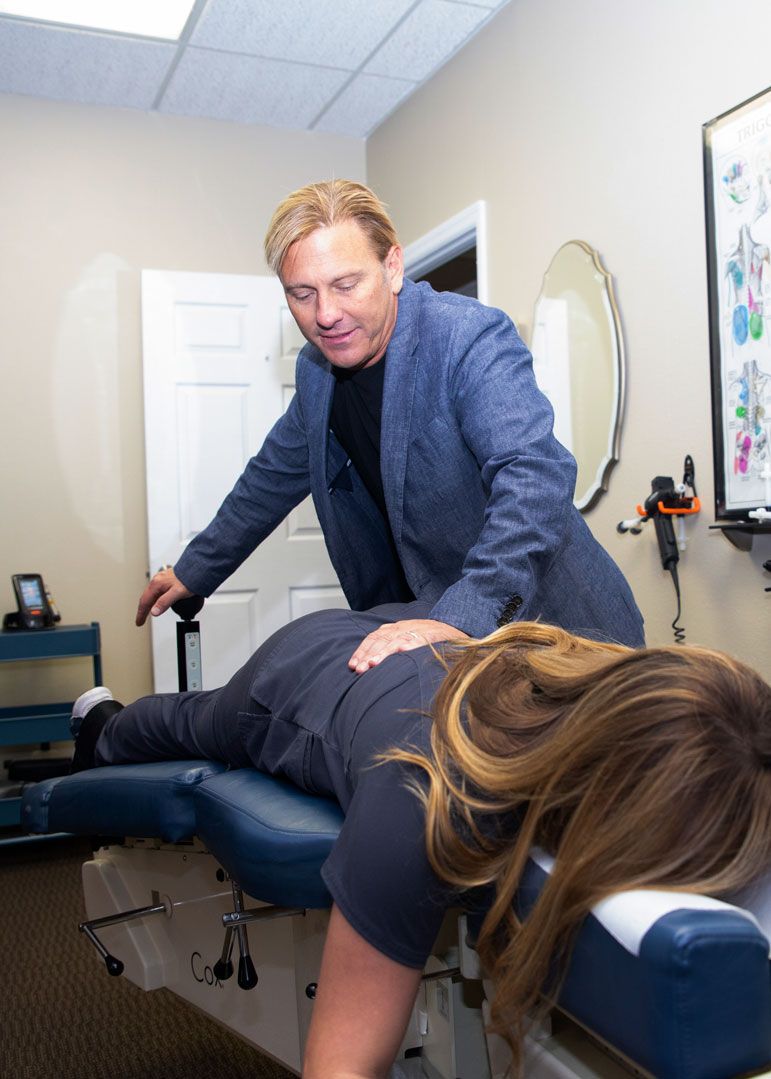
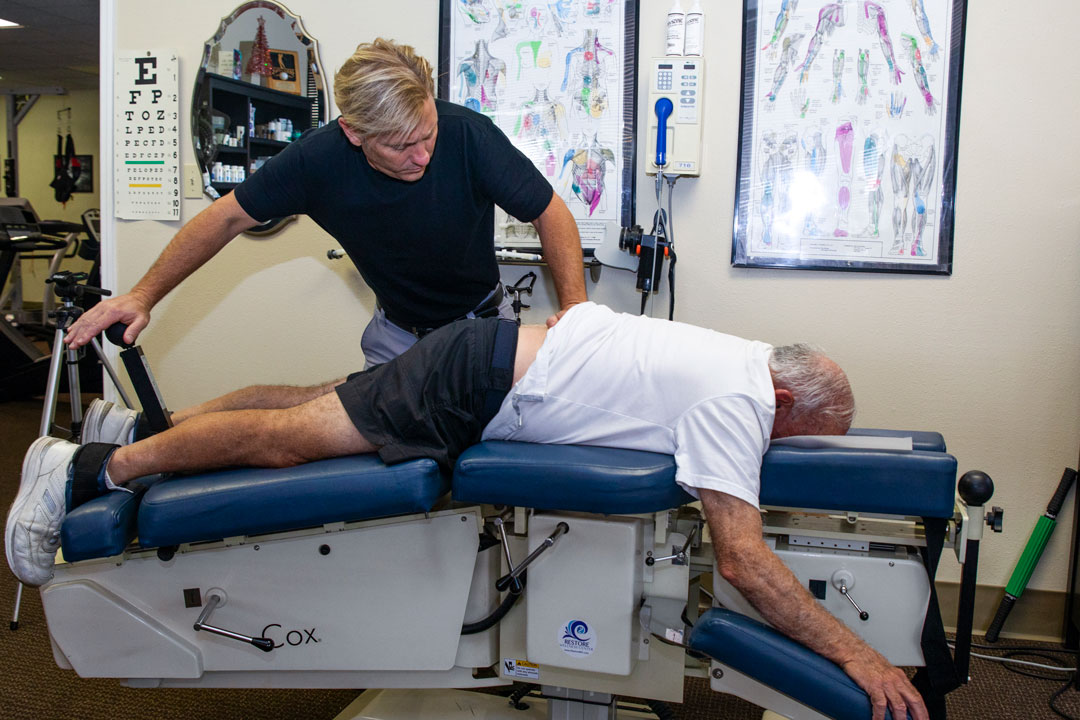
Chiropractic treatment is primarily directed toward the musculoskeletal system. It may be useful when restricted joint movement, mechanical spinal problems, or nerve-root irritation are contributing to a person’s symptoms.
For example, consider two patients who both report tingling in a foot.
Patient A: Nerve Root Irritation
A 52-year-old patient from West Melbourne develops lower back pain after lifting something heavy.
Two days later, pain begins traveling through the buttock and down the outside of the leg. The top of the foot tingles. Sitting makes the symptoms worse, and certain lower-back movements reproduce the leg pain.
That pattern may point toward irritation of a lumbar nerve root.
Depending on the examination findings, conservative chiropractic care may be one reasonable part of the treatment plan.
Patient B: Peripheral Neuropathy
A 68-year-old patient from Palm Bay has slowly developed burning and numbness in both feet over several years.
The symptoms are fairly symmetrical and are worse at night. The patient also has diabetes.
That pattern raises a very different set of questions.
Simply adjusting the lower back would not address diabetic nerve damage.
The patient needs appropriate medical management of the underlying condition along with strategies to manage symptoms, protect the feet, maintain balance, and preserve function.
Those two patients may both say, “My foot tingles,” but they should not automatically receive the same treatment.
Can an Adjustment Repair Damaged Peripheral Nerves?
There is not good evidence that spinal manipulation repairs peripheral nerves damaged by diabetes, chemotherapy, autoimmune disease, or other systemic causes.
That is an important limitation to state clearly.
If a provider tells every neuropathy patient that adjusting the spine will regenerate damaged nerves, you should ask what evidence supports that claim.
Chiropractic care may still have a role for some patients.
A person with neuropathy can also have lower back stiffness, arthritis, muscle tension, reduced mobility, or another musculoskeletal problem. Addressing those issues may help the person move more comfortably even though it does not eliminate the underlying neuropathy.
The goal needs to match the condition being treated.
Why Determining the Cause Matters So Much
Nerve symptoms are the body’s way of telling us that something is affecting the nervous system.
The location of the symptoms alone does not tell us why.
Imagine the check-engine light in your car.
The light tells you there is a problem. It does not tell you whether the problem is a loose gas cap, a sensor, or something more serious inside the engine.
Burning, tingling, and numbness work somewhat similarly.
They tell us that sensory nerves are behaving abnormally. We still need to determine the cause.
How Neuropathy Is Evaluated
A neuropathy evaluation may involve several health professionals depending on the symptoms and suspected cause.
The process usually begins with a detailed history.
Important questions include:
- Where did the symptoms begin?
- Do they affect one side or both?
- Are the symptoms constant?
- Are they worse at night?
- Is there weakness?
- Has balance changed?
- Do symptoms change with back or neck movement?
- Is there a history of diabetes?
- Have you received chemotherapy?
- What medications and supplements do you take?
- How much alcohol do you consume?
- Have symptoms been progressing?
A physical examination may assess sensation, muscle strength, reflexes, balance, walking, joint movement, and other neurologic findings.
Depending on the situation, medical testing may include blood work, nerve conduction studies, electromyography, imaging, or other diagnostic procedures.
What Does a Neuropathy Examination Tell Us?
One of our goals is to determine whether the pattern looks more like peripheral nerve dysfunction, spinal nerve-root irritation, local nerve entrapment, or another condition.
For example, if a patient’s symptoms dramatically change when the lower spine moves in certain directions, that is useful information.
If sensation is reduced in both feet in a fairly symmetrical pattern but spinal movements do not reproduce the symptoms, that tells us something different.
We also pay attention to balance.
Your brain relies partly on sensory information from your feet to understand where your body is in space. When sensation in the feet decreases, balance can become more difficult, particularly in low light or on uneven surfaces.
That can become an important safety concern for older adults.
Why Neuropathy Can Be Worse at Night
Many patients tell us their feet bother them most when they finally lie down.
There are several possible reasons.
During the day, your brain is processing enormous amounts of information. You are moving, seeing, hearing, working, driving, and interacting with the environment.
At night, many of those competing signals disappear. Nerve sensations can become much more noticeable.
Changes in position, circulation, temperature, and other factors may also affect how symptoms are perceived.
For some people, even the light pressure of a bedsheet against the toes can feel uncomfortable.
That hypersensitivity is a recognized feature of some types of peripheral neuropathy.
What Other Conservative Treatments May Be Considered?
Treatment depends heavily on the cause of the neuropathy.
At Restore Wellness Center, we do not believe every patient needs the same tool.
Depending on the diagnosis and medical history, a broader conservative plan may include options such as:
- Appropriate exercise and movement
- Balance training
- Chiropractic care for related musculoskeletal problems
- Acupuncture
- Other noninvasive therapies when clinically appropriate
- Coordination with the patient’s primary care provider or specialist
Someone with diabetic neuropathy also needs appropriate diabetes management. Someone with a vitamin deficiency needs the deficiency addressed. Someone whose nerve is physically compressed may need treatment directed at the compression.
The diagnosis should guide the treatment rather than forcing every diagnosis into the same treatment plan.
Can Acupuncture Help Neuropathy Symptoms?
Acupuncture is another conservative option sometimes considered for people with nerve-related pain.
Research into acupuncture for peripheral neuropathy is ongoing, and the strength of evidence varies based on the cause of neuropathy and the specific outcome being studied.
It should not be presented as a guaranteed way to regenerate nerves.
However, some patients may consider acupuncture as part of a symptom-management plan, particularly when the goal is reducing discomfort and improving quality of life.
Dr. Jim Claeys is both a chiropractor and acupuncture physician, which allows us to consider the patient’s presentation from more than one conservative treatment perspective rather than assuming an adjustment is always the answer.
Why Foot Care Is Important When You Have Neuropathy
One of the most serious consequences of significant sensory neuropathy is not pain.
It is the loss of pain.
That may sound strange until you think about why pain exists.
Pain warns you that something is wrong.
If sensation in the feet is reduced, a person may not notice:
- A blister
- A small cut
- A burn
- A pressure sore
- A pebble inside a shoe
- An infected wound
This is particularly important for people with diabetes because foot wounds can become serious.
If you have significant loss of sensation, follow the foot-care recommendations provided by your medical team and regularly inspect your feet.
Neuropathy and Balance Problems
Peripheral neuropathy can affect more than comfort.
It can affect confidence.
We often hear patients say they feel less steady in the dark, on grass, stepping off a curb, or walking across an uneven parking lot.
Here in Brevard County, that can show up during ordinary activities such as walking around Wickham Park, stepping onto the beach, getting on a boat, or walking across a wet driveway after an afternoon storm.
If sensation from the feet is reduced, the nervous system receives less information about the surface underneath you.
Strength and balance exercises may therefore be an important part of maintaining independence.
When Numbness or Tingling Needs Prompt Medical Attention
Gradual tingling in the toes is very different from suddenly losing sensation in an entire arm or leg.
Seek emergency medical attention for numbness associated with symptoms such as:
- Sudden weakness or paralysis
- Facial drooping
- Difficulty speaking
- Confusion
- Severe dizziness
- A sudden severe headache
- Loss of bladder or bowel control
- Rapidly progressing weakness
- Difficulty breathing
Rapidly spreading weakness and tingling can also occur with serious neurologic conditions and requires prompt evaluation.
Do not assume every numb feeling is “just neuropathy.”
Can Neuropathy Be Reversed?
There is no single answer because neuropathy has many causes.
Some nerve problems may improve when the underlying cause can be corrected. Others may be managed to prevent or slow further damage. Some forms of nerve damage can be permanent.
This is why early evaluation is valuable.
The objective should be to identify treatable causes whenever possible, manage the condition responsible for the nerve damage, reduce symptoms, protect areas with decreased sensation, and preserve function.
Promises that every neuropathy case can be “reversed” with one particular treatment should be viewed carefully.
What About Burning Feet With No Back Pain?
Burning in both feet without significant back pain is one pattern that makes us think beyond a simple spinal problem.
It does not prove peripheral neuropathy, but it deserves an appropriate evaluation.
On the other hand, burning pain that starts in the back or buttock and shoots down one leg may suggest a different problem such as lumbar radiculopathy.
The pattern is important.
So is the history.
So is the examination.
That is why the first goal should be understanding what you are treating.
A Practical Example: Two Types of Numb Feet
Consider two active retirees living in Viera.
The first notices numbness in the toes of both feet that has slowly progressed for three years. It is fairly equal on both sides and is accompanied by burning at night.
The second develops lower back pain after working in the yard. A few days later, the outside of the right foot becomes numb and the right leg begins to hurt.
Both people might search Google for “chiropractor for numb feet.”
But those histories point us in very different directions.
The first patient needs evaluation for peripheral neuropathy and its possible causes.
The second may have irritation of a lumbar nerve root.
The treatment plan should reflect that difference.
Frequently Asked Questions About Chiropractic and Neuropathy
Can a chiropractor cure peripheral neuropathy?
Chiropractic adjustments should not be presented as a cure for peripheral nerve damage caused by diabetes, chemotherapy, autoimmune disease, or other systemic conditions. Chiropractic care may sometimes help address related musculoskeletal problems or spinal nerve irritation when those issues are also present.
How do I know whether my numb feet are neuropathy or coming from my back?
The symptom pattern provides clues, but an examination is usually needed. Symptoms affecting both feet fairly evenly may suggest peripheral neuropathy, while pain or numbness traveling from the lower back into one leg may be more consistent with nerve-root irritation. There are many exceptions.
Can neuropathy cause balance problems?
Yes. Sensory nerves in the feet help the brain understand body position and the surface underneath you. Reduced sensation can contribute to balance difficulty and increase fall risk.
Why are my neuropathy symptoms worse at night?
Neuropathy symptoms are commonly reported as more noticeable at night. Reduced distraction, sensitivity to bedding, position, and other factors may contribute to the increased awareness of burning, tingling, or pain.
Is sciatica a type of neuropathy?
Sciatica usually describes symptoms associated with irritation of nerve roots contributing to the sciatic nerve, while peripheral neuropathy refers to damage or dysfunction of peripheral nerves. The symptoms can overlap, but the underlying problems are different.
Can neuropathy affect only one foot?
Yes, but symptoms affecting one foot can have several possible causes, including local nerve injury or entrapment, spinal nerve irritation, and other conditions. Unilateral symptoms should be evaluated rather than automatically assumed to be generalized peripheral neuropathy.
When should I get numbness or tingling checked?
Persistent, worsening, or unexplained numbness and tingling should be evaluated, particularly when it affects walking, balance, strength, or normal activities. Sudden numbness associated with weakness, speech problems, confusion, paralysis, or other neurologic symptoms requires emergency care.
Neuropathy Evaluation and Conservative Care in Melbourne, Florida
If your feet burn at night, your toes feel numb, or tingling is beginning to interfere with walking and balance, the most useful first question is not, “Which treatment should I try?”
It is, “Why is this happening?”
At Restore Wellness Center in Melbourne, we work with patients experiencing nerve-related symptoms while recognizing that neuropathy can be complex and may require care from multiple health professionals.
Our role is to evaluate whether musculoskeletal or spinal problems may be contributing, discuss conservative options that may be appropriate, and recognize when medical evaluation or coordination with another provider is necessary.
Restore Wellness Center serves patients throughout Melbourne, Eau Gallie, West Melbourne, Palm Bay, Viera, Suntree, Satellite Beach, Indian Harbour Beach, and surrounding Brevard County communities.
If burning, tingling, numbness, or nerve pain is interfering with your sleep, walking, balance, work, or normal activities, consider having the symptoms properly evaluated rather than simply learning to live with them.
Contact Restore Wellness Center to schedule an evaluation with Dr. Jim Claeys and learn more about your options for neuropathy symptoms and nerve-related pain.
This article is for general educational purposes and does not replace individualized medical advice, diagnosis, or treatment. Peripheral neuropathy can have serious underlying causes, and persistent or progressive neurologic symptoms should be appropriately evaluated.